
Propane Safety Tips for Your Home & Business
Propane Safety Starts With Knowing What to Watch For
Propane is a dependable and efficient fuel used to heat homes, power appliances, and support businesses and farms throughout Northwestern Pennsylvania. Like any fuel, propane needs to be handled properly.
At Southall Gas, LLC, we're committed to helping our customers use propane safely. The following tips can help you recognize potential problems and know what to do if you suspect a propane leak.
Smell Propane? Take It Seriously.
Propane is naturally odorless, so an odor is added to help you detect a leak. Propane typically smells similar to rotten eggs, a skunk, or sulfur.
If you smell propane inside or around your home:
1. Leave the Area
Get everyone out of the building and move to a safe location away from the suspected leak.
2. Avoid Flames and Sparks
Do not smoke, light matches, operate electrical switches, start vehicles, or use a phone near the suspected leak.
3. Shut Off the Propane If It Is Safe
If you can safely reach the main propane tank shutoff valve, turn the valve clockwise to stop the flow of propane.
4. Call for Help
Once you're safely away from the area, call 911 or your local fire department. You should also contact Southall Gas so the propane system can be inspected.
Never assume a propane odor is harmless. If you smell gas, get outside and stay out until the area has been determined to be safe.
Know the Warning Signs
A propane system or appliance may need professional attention if you notice:
A propane odor
A strong sulfur or rotten-egg smell may indicate a leak.
Yellow or unusual flames
Propane appliances should generally produce a steady blue flame. Yellow or irregular flames can indicate improper combustion.
Soot or discoloration
Unexpected soot around an appliance can be a warning that the appliance isn't burning fuel correctly.
Unusual appliance operation
If an appliance isn't operating normally, don't attempt to repair it yourself. Have it inspected by a qualified professional.
Keep Propane Appliances Safe
A few simple precautions can reduce the risk of problems:
- Have propane appliances inspected and properly maintained.
- Keep vents, chimneys and exhaust openings clear of snow, ice, leaves and debris.
- Keep flammable materials away from propane appliances.
- Never use an outdoor propane heater, grill or other outdoor appliance inside your home, garage or other enclosed space.
- Never use a gas range or oven as a source of heat.
- Never modify, disconnect or attempt to repair propane valves, regulators or other system components yourself.
- Make sure your home has working carbon monoxide detectors.
Regular maintenance and professional inspections can help identify problems before they become safety hazards.
Propane Tank Safety
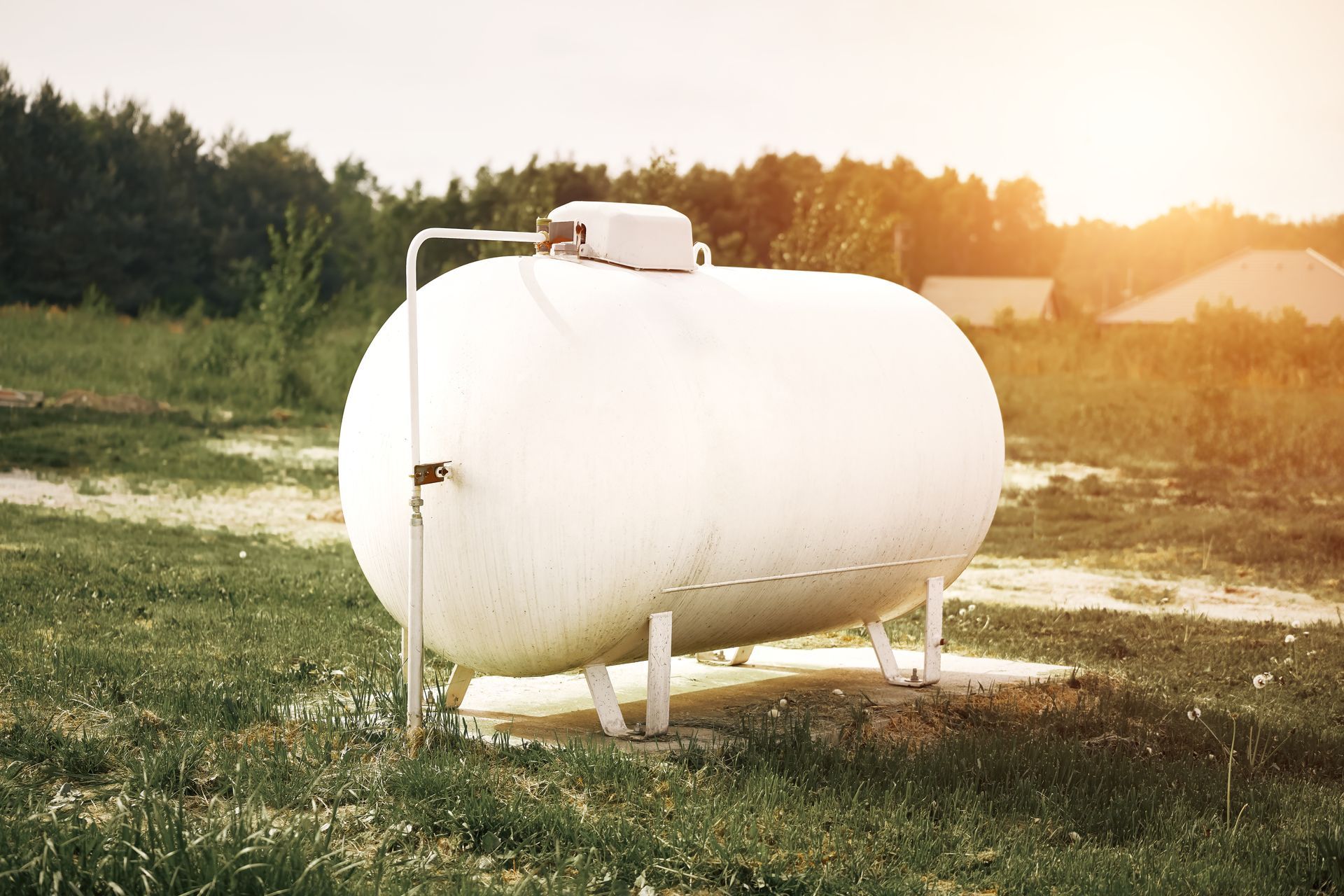
Your propane tank should remain outdoors in an appropriate location with adequate clearance around it.
Keep the area around your tank:
- Free of brush, leaves and other combustible materials
- Clear of equipment, vehicles and debris
- Accessible to your propane delivery driver
- Free from anything that could damage the tank, valves or connecting lines
Never move, modify or attempt to repair a propane tank yourself.
Portable propane cylinders should also be stored and transported properly. They should never be stored inside your home or another enclosed space where propane could accumulate.
Carbon Monoxide: A Hidden Danger
Carbon monoxide (CO) is an odorless, colorless gas that can be produced when propane appliances do not burn fuel properly or do not have adequate ventilation.
Protect your household by:
- Installing carbon monoxide detectors on each level of your home.
- Keeping appliance vents and chimneys clear.
- Having propane appliances professionally inspected and maintained.
- Never operating propane-powered engines or outdoor appliances inside an enclosed area.
If a carbon monoxide detector sounds, leave the building immediately and call 911 from a safe location.
Winter Weather & Propane Safety
Northwestern Pennsylvania winters can bring heavy snow, ice and freezing temperatures. After a major storm, check around your propane tank and appliances.
Make sure:
- Snow and ice aren't blocking vents or regulators.
- Your tank and gas lines haven't been damaged or shifted.
- Snow isn't piled against your propane equipment.
- Delivery access to your tank remains clear.
Don't use a shovel, snow blower or other equipment directly against propane equipment or gas lines.
If a storm, flood or other event has damaged your propane system, leave the area and have the system inspected before using it again.
Leave Propane Repairs to the Professionals
Propane systems contain valves, regulators, connectors and other components designed to operate safely when properly installed and maintained.
Never attempt to repair or modify propane equipment yourself.
If something doesn't look or operate correctly, contact Southall Gas or a qualified propane service professional. Southall Gas provides propane delivery, inspections, tank installation, repairs and LP gas plumbing services throughout the region.
Your Local Propane Safety Resource
Since 1945, Southall Gas, LLC has provided propane and fuel services to homes, farms and businesses throughout Northwestern Pennsylvania. Our team understands the importance of dependable propane service—and safe propane use.
If you have a question about your propane tank, delivery system or propane appliances, we're here to help.
Southall Gas, LLC
19000 Erie St. Centerville, PA 16404
Phone: 814-654-7888 Email: propane@southallgas.com
Serving Centerville, Edinboro, Erie, Meadville, Titusville, Warren and surrounding Northwestern Pennsylvania communities.
Have a Propane Safety Question?
Contact Southall Gas Today